



Blog
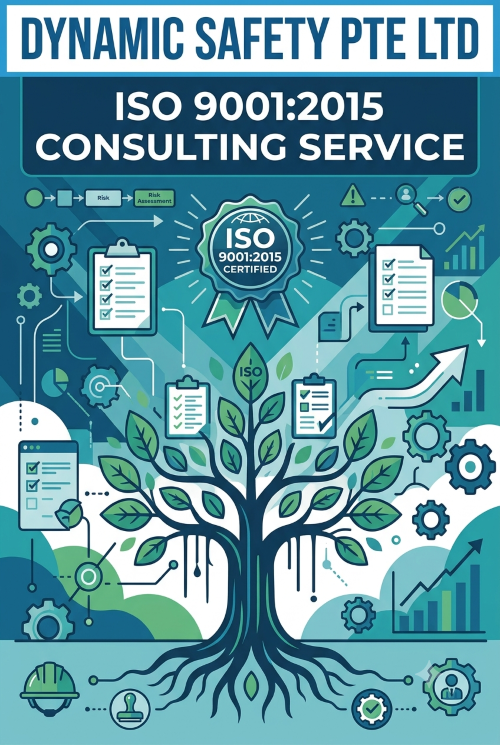
What is customer focus in ISO 9001?
26-Oct-2026 15:12 PMCustomer focus is one of the fundamental principles of ISO 9001. Organizations need to understand customer requirements and applicable requirements related to their products and services. They should also monitor customer perceptions and satisfaction where appropriate. Customer focus can involve: Understanding customer specifications Reviewing contracts and orders Meeting agreed de
Read More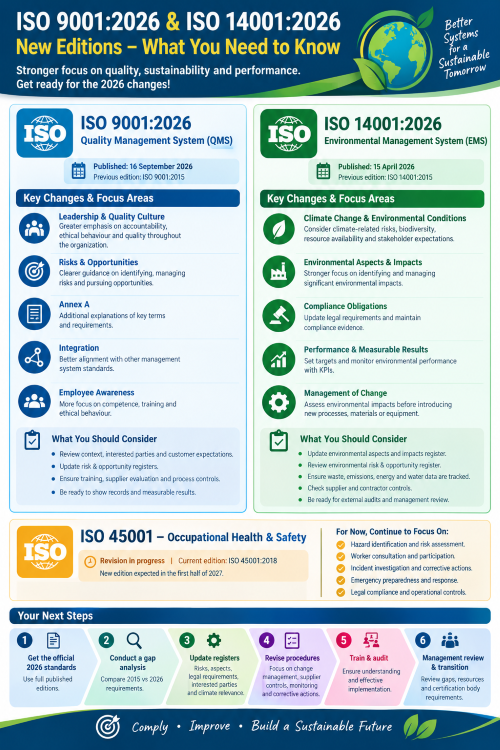
ISO 9001 and ISO 14001 have new 2026 editions
21-Oct-2026 13:37 PMThere are important updates to the ISO 9001, ISO 14001 and ISO 45001 standards as of 16 October 2026. If you're maintaining an Integrated Management System (IMS), preparing audit documents, or updating procedures, these changes are worth tracking. The biggest news is that ISO 9001 and ISO 14001 have new 2026 editions, while ISO 45001 is still under revision. ISO 9001:2026 — Quality
Read More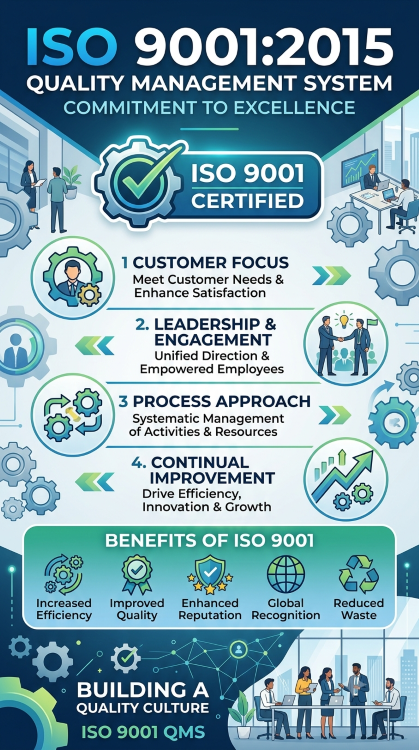
What is a ISO 9001 Quality Management System (QMS)?
13-Oct-2026 12:59 PMA Quality Management System is a structured framework used by an organization to control and improve the processes that affect the quality of its products and services. A QMS typically includes: Quality policy Quality objectives Organizational responsibilities Process controls Risk and opportunity management Customer requirement controls Supplier controls Competence and trai
Read More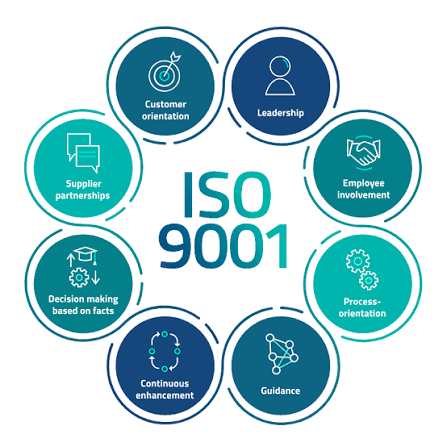
What are the main clauses of ISO 9001:2015?
05-Oct-2026 13:35 PMISO 9001:2015 requirements are primarily contained in Clauses 4 to 10: Clause 4 – Context of the Organization The organization determines internal and external issues, interested parties, the scope of the QMS, and the processes needed for the QMS. Clause 5 – Leadership Top management demonstrates leadership and commitment, establishes the quality policy, assigns responsibil
Read More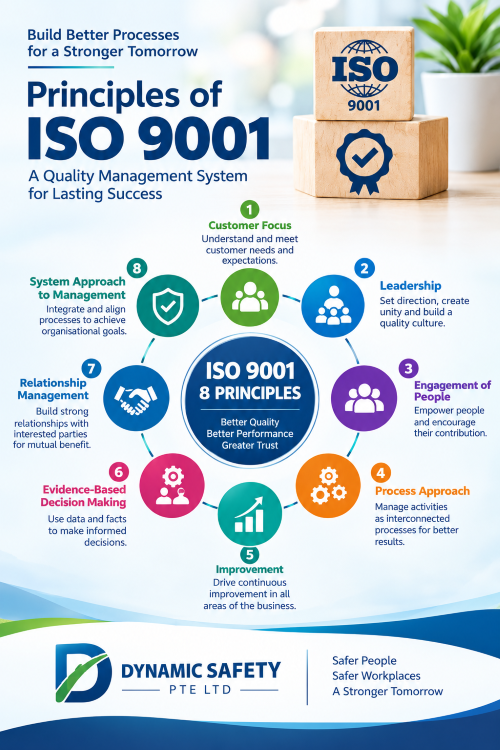
What are the main principles of ISO 9001?
28-Sep-2026 14:14 PMISO 9001:2015 is based on seven quality management principles: Customer focus Leadership Engagement of people Process approach Improvement Evidence-based decision making Relationship management These principles provide the foundation for developing an effective quality management system. For example, customer focus requires an organization to understand customer needs and
Read More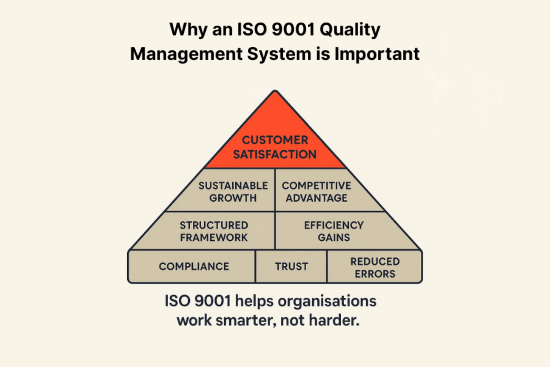
Why is ISO 9001 important for an organization?
15-Sep-2026 13:12 PMISO 9001 helps organizations establish a systematic approach to managing quality rather than relying only on inspection or correction after problems occur. An effective QMS can help an organization: Improve customer satisfaction Reduce errors and nonconformities Improve process efficiency Establish clear responsibilities Identify and manage risks Improve consistency of products
Read More